DRIPPED DREAMS OBJECT 01, 02 & 03

CHF 0.00

STUDIO EIDOLA

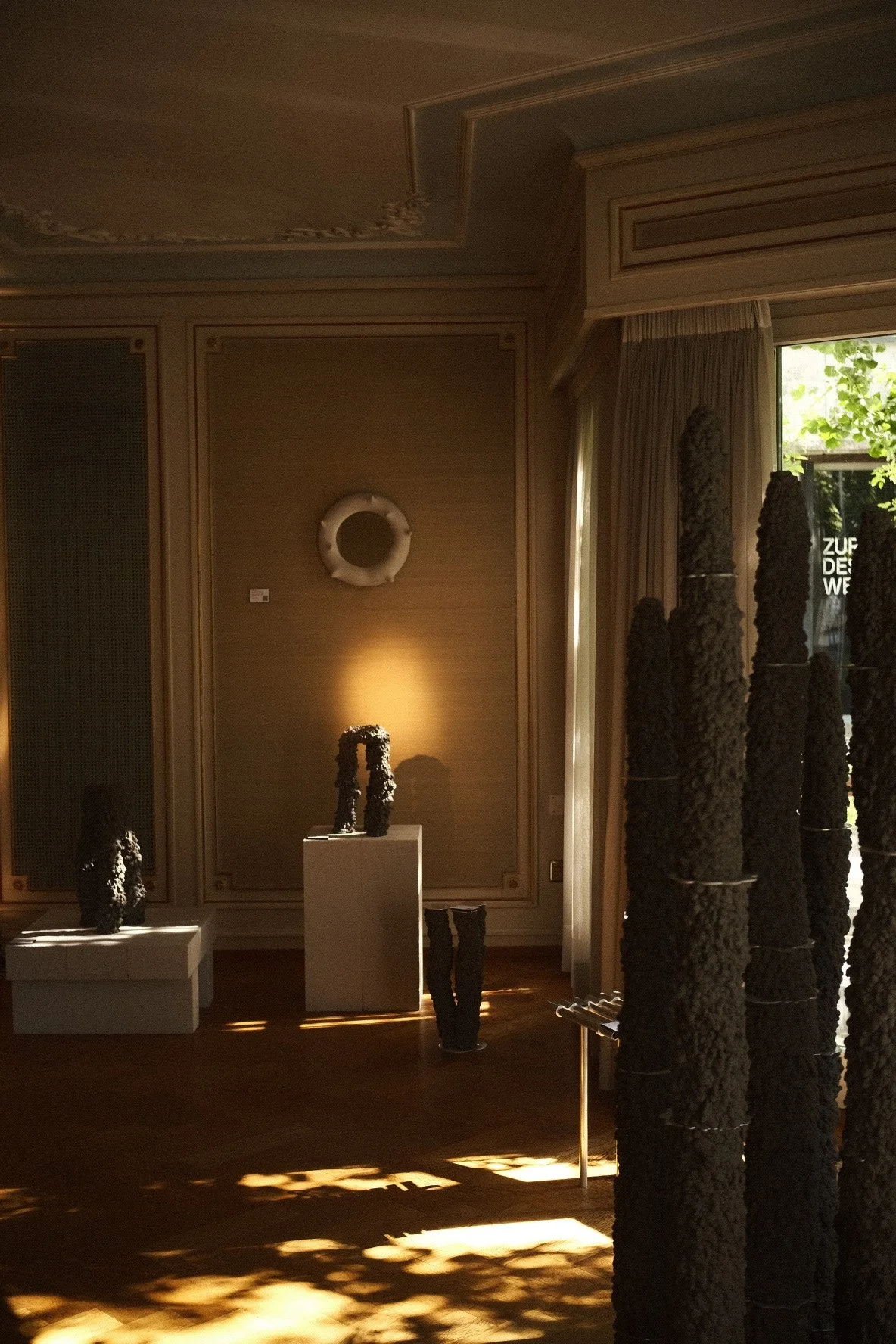
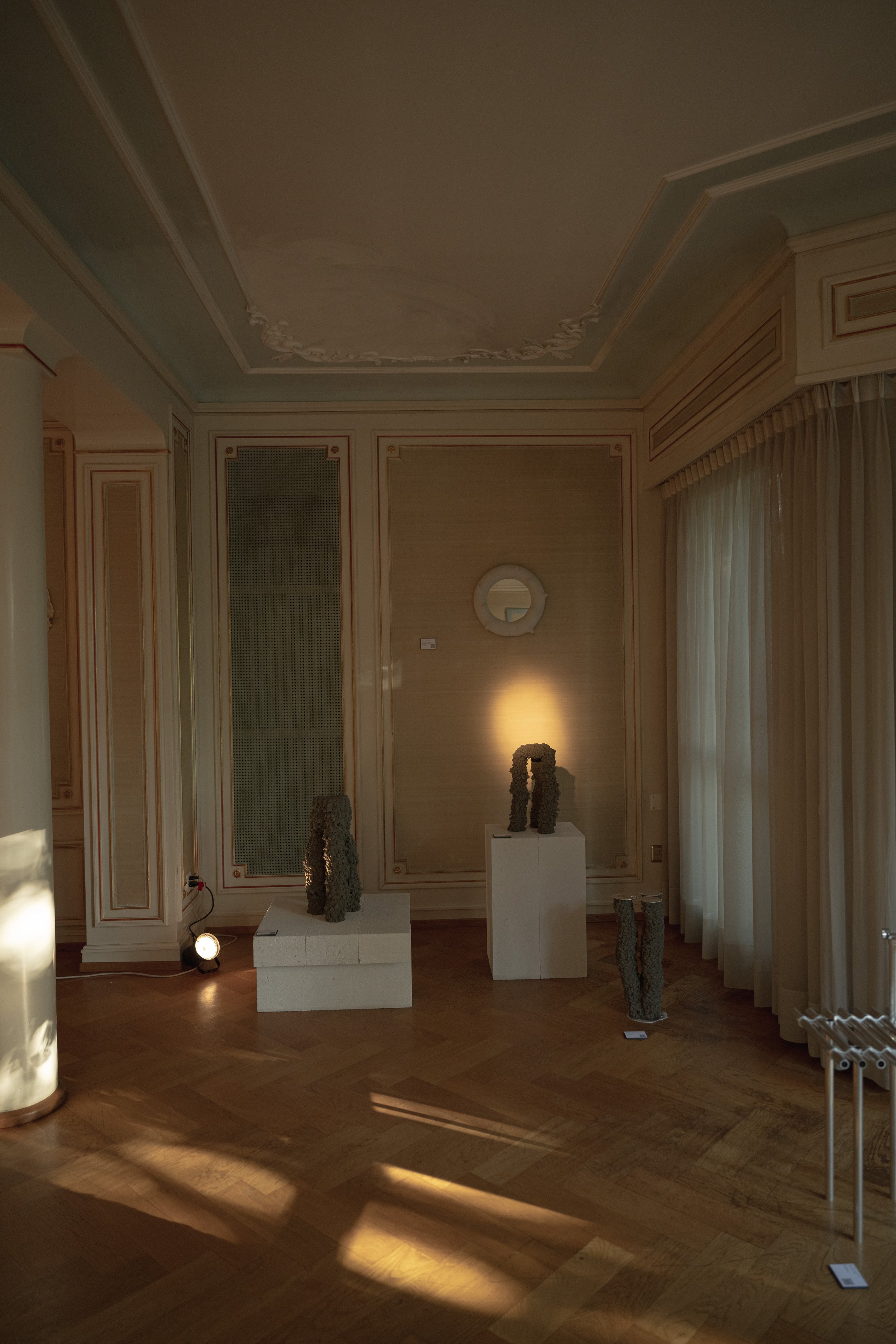
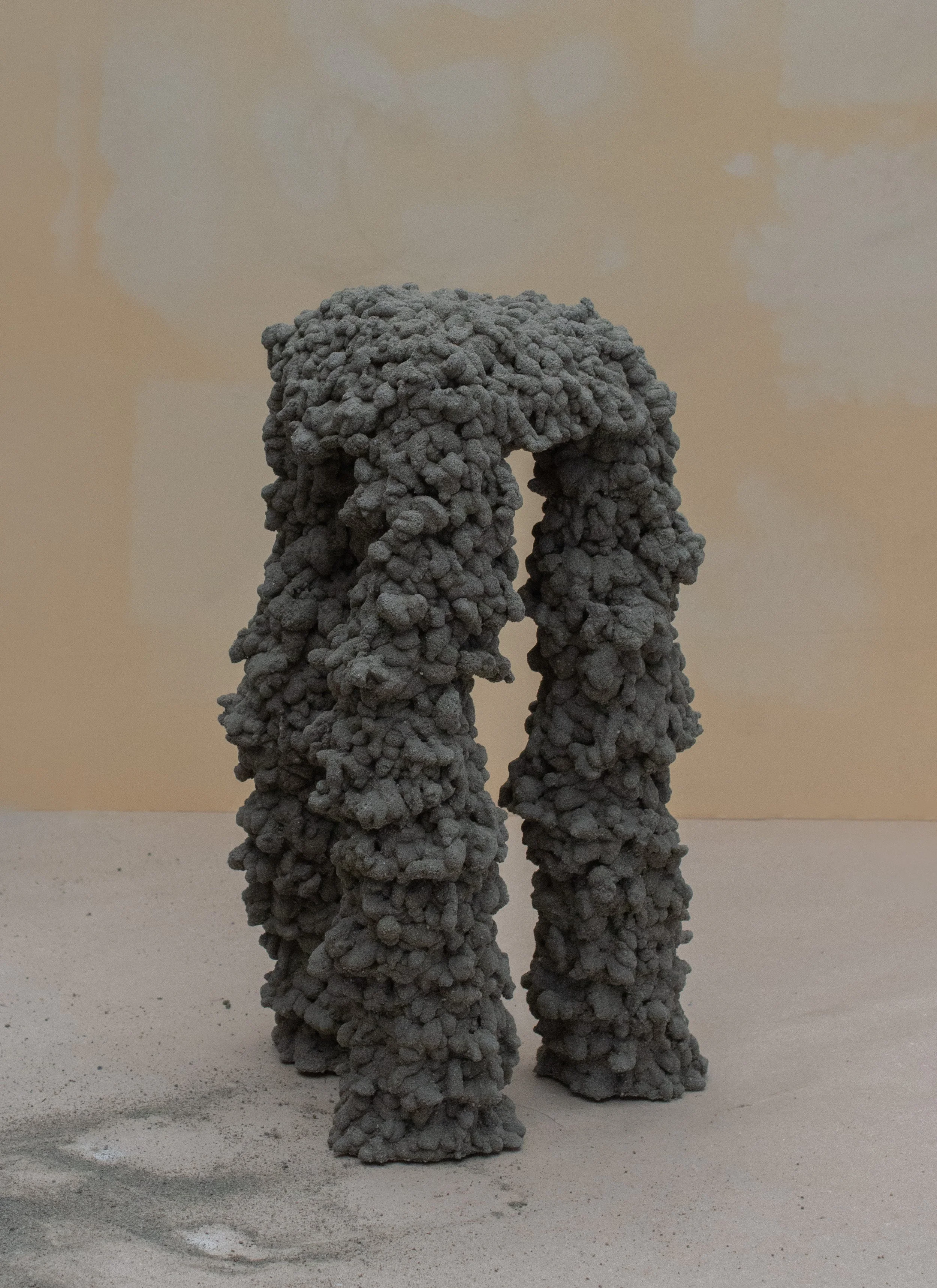
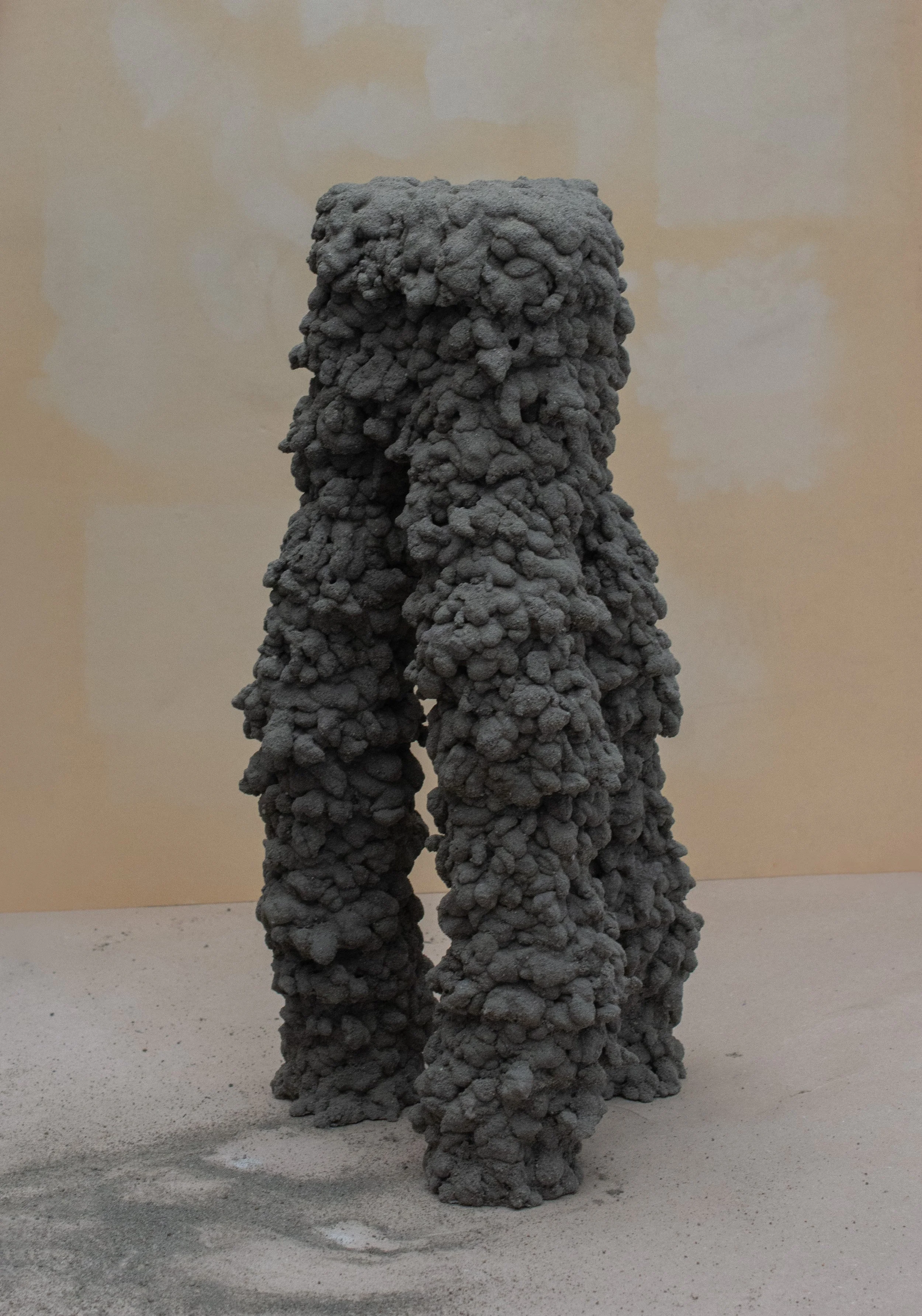
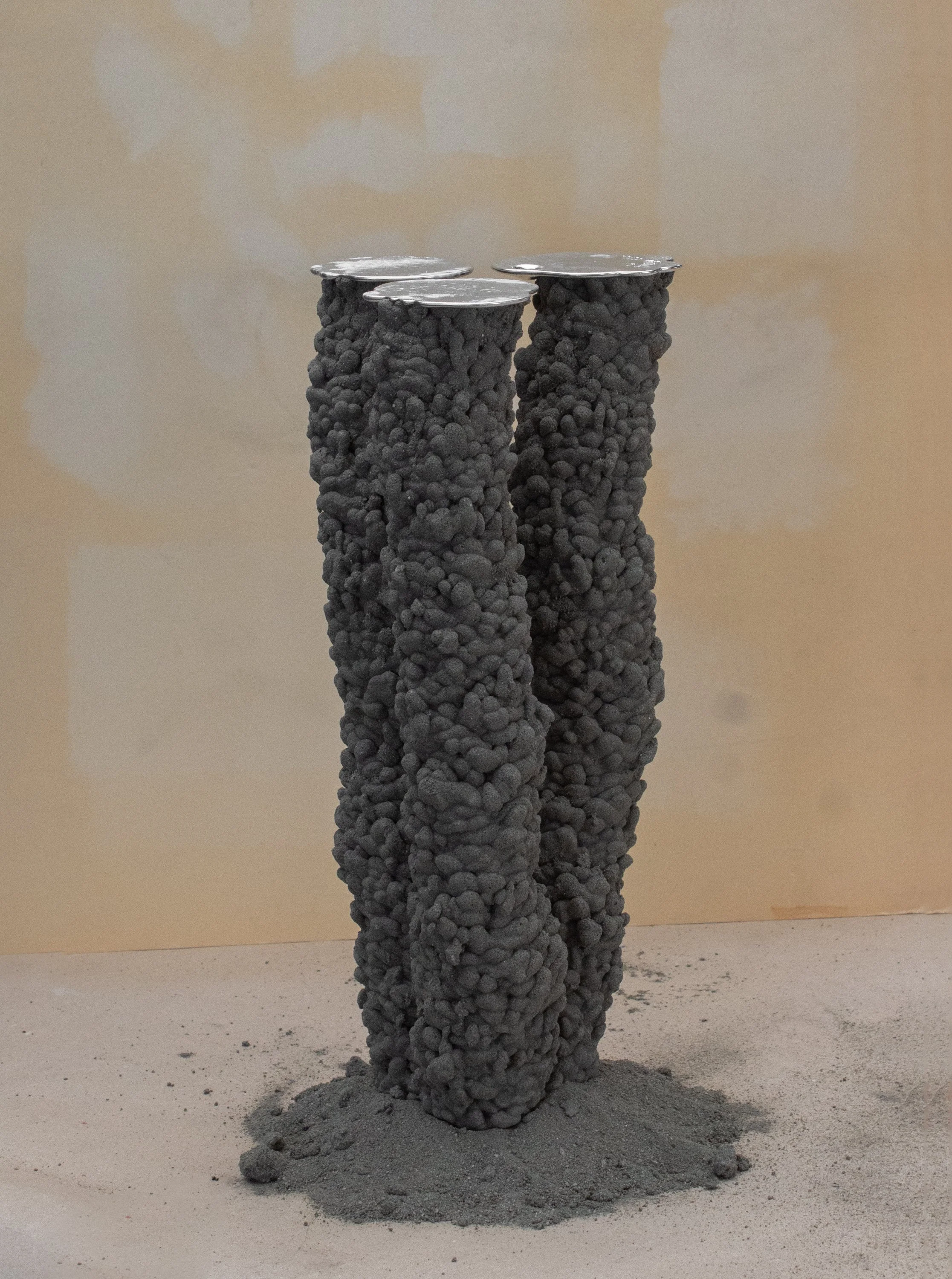
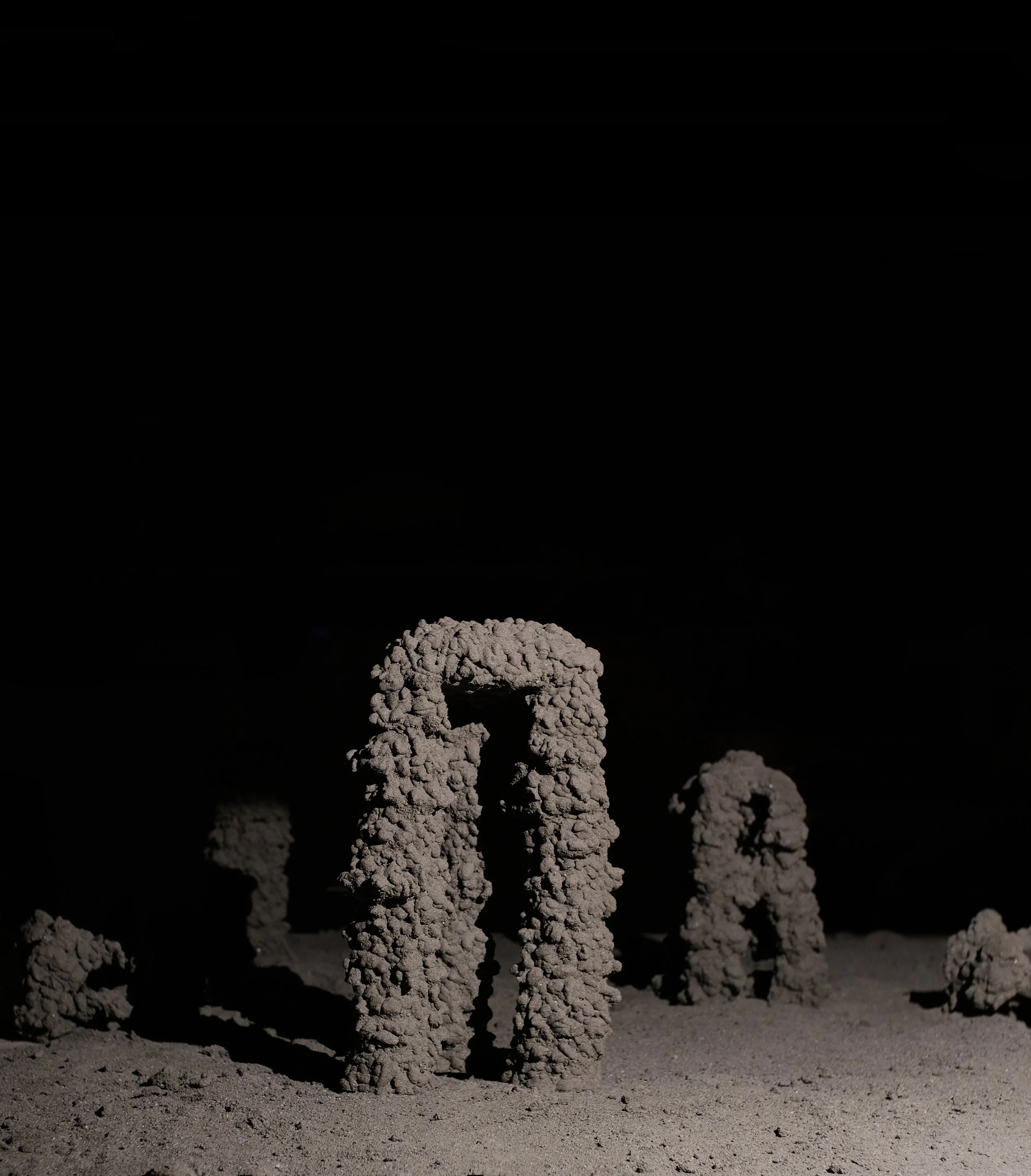
Dripped Dreams explores the tension between natural processes and human intervention, drawing inspiration from stalagmites formed through the slow accumulation of mineral-rich water in caves.

The works are created by dripping a mixture of sand, salt, and a plant-based bio-binder into sand moulds, allowing the material to gradually build vertical forms. Although they appear solid, the water-soluble binder makes the pieces inherently ephemeral, reflecting cycles of formation and dissolution.

Tin discs regulate water runoff and prevent moisture transfer, while recycled tin plugs allow the fragments to be assembled on site.

Origin: Zurich Switzerland

STUDIO EIDOLA

Dripped Dreams explores the tension between natural processes and human intervention, drawing inspiration from stalagmites formed through the slow accumulation of mineral-rich water in caves.

The works are created by dripping a mixture of sand, salt, and a plant-based bio-binder into sand moulds, allowing the material to gradually build vertical forms. Although they appear solid, the water-soluble binder makes the pieces inherently ephemeral, reflecting cycles of formation and dissolution.

Tin discs regulate water runoff and prevent moisture transfer, while recycled tin plugs allow the fragments to be assembled on site.

Origin: Zurich Switzerland


DESIGNER

Studio Eidola

ARTISAN / PRODUCER

Zurich, Switzerland

DIMENSIONS

40 x 20 x 20 cm
49 x 20 x 20 cm
45 x 20 x 20 cm

PRODUCTION TIME

One-of-a-kind

WEIGHT

-

MATERIAL

Sand, salt, natural binder and recycled tin.

ABOUT


Studio Eidola

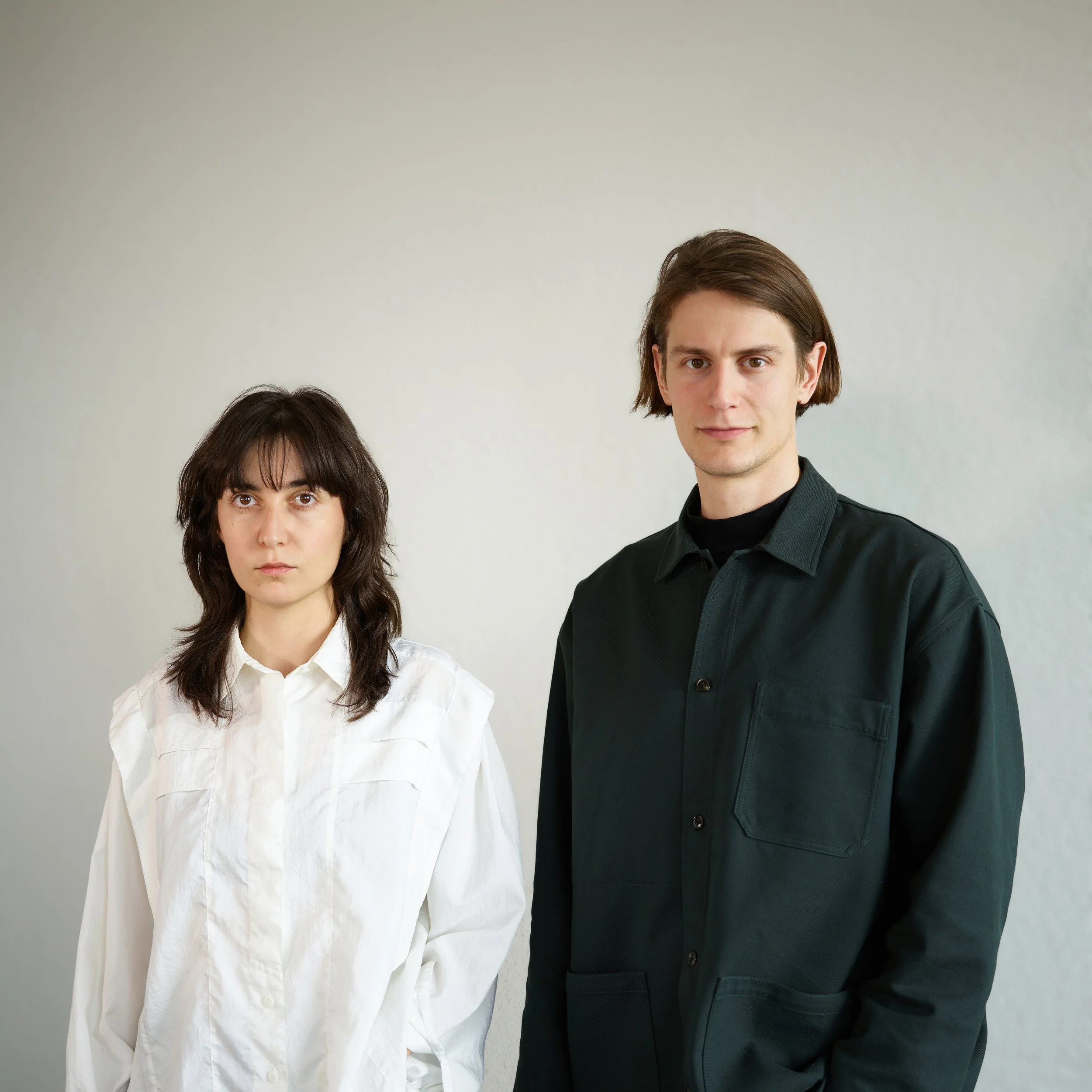
Established in Zürich in 2020 by Denizay Apusoglu and Jonas Kissling, Studio Eidola operates as an interdisciplinary research and design studio. Grounded in principles of exploration and critical reflection, the studio recontextualizes materials by exploring their histories, geologies, and potentials often overlooked.

Their work begins with open-ended inquiries into raw materials‘ life cycles and properties, taking cues from geomorphic influences and long-standing artisanal traditions. The studio’s approach involves site-specific material research and local industry ties, synthesizing the close relationship between material culture and industrial evolution, for fresh interpretations.